Loading... Please wait...

Products

Testimonial

I am obtaining so much benefit from ImmunoPro®
Read More..

Glutathione

The most important antioxidant produced by the body… Read More..

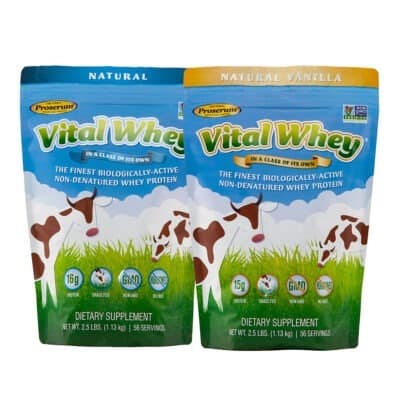
Proserum®

See the difference between Proserum® and all other whey products View comparison

Research

Role of Cysteine and Glutathione in HIV infection and other diseases associated with muscle wasting and immunological dysfunction. By Droge W, Holm E

AACR: High Cysteine Levels Linked to Lower Rates of Breast Cancer. By Brian Reid

Glutathione and immune function. By Droge W, Breitkreutz R.

Free radical scavenging is defective in tooth disease

Oxidative Stress in Chronic Liver Disease: The Role of Glutathione. By Theodore Hersh, M.D., MACG

Glutathione Peroxidase 1 Activity and Cardiovascular Events in Patients with Coronary Artery Disease


Role of Cysteine and Glutathione in HIV infection and other diseases associated with muscle wasting and immunological dysfunction.
By Droge W, Holm E

G11-15-1997 The combination of abnormally low plasma cysteine and glutamine levels, low natural killer (NK) cell activity, skeletal muscle wasting or muscle fatigue, and increased rates of urea production defines a complex of abnormalities that is tentatively called "low CG syndrome." These symptoms are found in patients with HIV infection, cancer, major injuries, sepsis, Crohn's disease, ulcerative colitis, chronic fatigue syndrome, and to some extent in over trained athletes. The coincidence of these symptoms in diseases of different etiological origin suggests a causal relationship. The low NK cell activity in most cases is not life-threatening, but may be disastrous in HIV infection because it may compromise the initially stable balance between the immune system and virus, and trigger disease progression. This hypothesis is supported by the coincidence observed between the decrease of CD4+ T cells and a decrease in the plasma cysteine level. In addition, recent studies revealed important clues about the role of cysteine and Glutathione in the development of skeletal muscle wasting. Evidence suggests that 1) the cysteine level is regulated primarily by the normal post absorptive skeletal muscle protein catabolism, 2) the cysteine level itself is a physiological regulator of nitrogen balance and body cell mass, 3) the cysteine-mediated regulatory circuit is compromised in various catabolic conditions, including old age, and 4) cysteine supplementation may be a useful therapy if combined with disease-specific treatments such as antiviral therapy in HIV infection.


AACR: High Cysteine Levels Linked to Lower Rates of Breast Cancer.
By Brian Reid

WASHINGTON, DC -- July 15, 2003 -- High serum levels of cysteine are linked to a lower risk of breast cancer, according to a presentation made here on June 12th at the 94th Annual Meeting of the American Association for Cancer Research. These findings suggest that boosting of plasma cysteine levels might have a preventative effect on breast cancer, the researchers said. Women in the highest quintile for measured cysteine levels in this study had a 56% lower risk of invasive or in situ breast cancer than women in the lowest quintile (P=0.002). The findings were more pronounced when only invasive cancer was considered. "High plasma total cysteine level may predict a reduced risk of breast cancer," said lead author Shumin Zhang, MD, ScD, from Brigham and Women's Hospital, Harvard Medical School and Harvard School of Public Health, in Boston, Massachusetts, United States. The research drew from the 27-year-old Nurses Health Study, which involves 32,000-patients. Blood samples from 712 patients with breast cancer were matched with 712 patients for the following components: age, time of day of blood draw, fasting status, month of blood draw, menopausal status, and use of postmenopausal hormones at the time of blood collection. The protective effect of high cysteine levels appeared to be strongest in women with body mass index levels below 25 and in premenopausal women. Preclinical studies previously suggested that cysteine precursors have an anticarcinogenic effect. Cysteine itself appears to be neurotoxic, and researchers in this field have instead looked to the precursors of cysteine for therapeutic use. Early studies of those compounds observed few side effects, although Dr. Zhang noted that it remains to be seen whether the effects seen in the Nurses Health Study will be clinically useful. "Cysteine or its precursors might have the potential to be chemoprotective against breast cancer," she said. "But there is a lot of work that has to be done [toward] the chemoprevention of breast cancer." [Study title: A Prospective Study of Plasma Cysteine and Risk of Breast Cancer. Abstract LB-3] Note: Native Whey Protein contains the highest amounts of Non-denatured Cysteine. Dr John Lee and David Zava's book "What Your Doctor May Not Tell You About Breast Cancer" is a "required read" for all women on Glutathione's critical role in preventing breast cancer.


Glutathione and immune function.
By Droge W, Breitkreutz R.

Here is an abstract from Wulf Droge about the normal level of glutathione in lymphocytes being optimal. This paper supports the avoidance of a straight glutathione supplement in any form, whether ingested, via mucosal uptake or intravenous. note: N-acetyl-cysteine (NAC) can cause excessive mobilization of heavy metals in individuals.
Proc Nutr Soc. 2000 Nov;59(4):595-600.
Glutathione and immune function. By Droge W, Breitkreutz R.
Department of Immunochemistry, Deutsches Krebsforschungszentrum, Im Neuenheimer Feld 280, D-69120 Heidelberg, Germany. W.Droege@dkfz-heidelberg.de
The immune system works best if the lymphoid cells have a delicately balanced intermediate level of glutathione. Even moderate changes in the intracellular glutathione level have profound effects on lymphocyte functions. Certain functions, such as the DNA synthetic response, are exquisitely sensitive to reactive oxygen intermediates and, therefore, are favored by high levels of the antioxidant glutathione. Certain signal pathways, in contrast, are enhanced by oxidative conditions and favored by low intracellular glutathione levels. The available evidence suggests that the lymphocytes from healthy human subjects have, on average, an optimal glutathione level. There is no indication that immunological functions such as resistance to infection or the response to vaccination may be enhanced in healthy human subjects by administration of glutathione or its precursor amino acid cysteine. However, immunological functions in diseases that are associated with a cysteine and glutathione deficiency may be significantly enhanced and potentially restored by cysteine supplementation. This factor has been studied most extensively in the case of human immunodeficiency virus (HIV)-infected patients who were found to experience, on average, a massive loss of S equivalent to a net loss of approximately 4 g cysteine/d. Two randomized placebo-controlled trials have shown that treatment of HIV-infected patients with N-acetyl-cysteine (NAC) caused in both cases a significant increase in all immunological functions under test, including an almost complete restoration of natural killer cell activity. It remains to be tested whether cysteine supplementation may be useful also in other diseases and conditions that are associated with a low mean plasma cystine level and impaired immunological functions. Publication Types: Review Review, Tutorial PMID: 11115795 [PubMed - indexed for MEDLINE]"


Free radical scavenging is defective in tooth disease

Free radical scavenging is defective in tooth disease
11/26/02 - The capacity to mop up harmful oxygen free radicals seems to be reduced in people with periodontal disease, finds research in this month’s Molecular Pathology.

Periodontal disease affects between 10 and 15 per cent of people worldwide. A leading cause of tooth loss, it develops as a result of bacterial infection from a build-up of the sticky, colorless bacterial plaque that continually forms on the surface of the teeth, especially in the crevices in between. The inflammation that results from such infection destroys the attachment fibers and supporting bone that hold the teeth in the mouth.

The research team tested the content of plasma samples and gingival crevicular fluid, or GCF for short, in 10 middle aged men and women with advanced periodontal disease, and five people of the same age with healthy teeth and gums. GCF bathes the delicate and vulnerable tissues around the teeth.

An unusual antioxidant response was found in the GCF, which was not seen in the plasma samples. Exhaustive laboratory studies in which inflammatory cell activity was artificially stimulated and various biological peptides analyzed led to the discovery that the antioxidant was glutathione, and that GCF levels of glutathione were up to 400 times those found in plasma.

The antioxidant capacity of both the systemic (plasma) and local (GCF) samples was significantly lower in people with periodontal disease than in those with healthy teeth and gums. Glutathione levels and evidence of the neutralization (scavenging) of free radicals were low in those with periodontal disease, but very high in those with healthy gums.

High glutathione levels are also found in healthy lung and cervical tissue, said the authors, and may be part of a defense strategy by delicate tissue lining (epithelial) cells against bacterial assault at exposed surfaces.

But they suggest that in severe periodontitis, the immune cell response appears to be imbalanced in that white cells become hyperactive, leading to increased inflammation and overproduction of oxygen free radicals while scavenger (glutathione) levels are too low to cope with this.

Source: Molecular Pathology 2002; 55: 367-73


Oxidative Stress in Chronic Liver Disease: The Role of Glutathione.
By Theodore Hersh, M.D., MACG

Professor of Medicine, Emeritus, Emory University Atlanta, Ga.

Glutathione, a tripeptide composed of glutamate, cysteine and glycine, is present in most plants and animal tissues and is the most important and ubiquitous low molecular weight thiol compound. Working intra and extra-cellularly in its reduced form, L-glutathione, abbreviated as "GSH", is the body's key antioxidant and protectant. GSH has multiple functions in disease prevention and in detoxification of chemicals and drugs while its depletion is associated with increased risks of toxicity and disease. GSH works synergistically with the other cellular antioxidants to neutralize and scavenge oxygen and other free radical species and thereby prevent or diminish "oxidative stress."

A deficiency of hepatic GSH and its antioxidant partners and/or an increase in toxic free radical species may contribute to the progression of liver disease. Thus, is there a role for glutathione in the management of patients with alcoholic liver disease and viral hepatitis, particularity those with Hepatitis C?

There are only a few studies in the medical literature which relate to the role of antioxidants, particularly L-glutathione, in chronic liver diseases. In 1996, Barbaro and colleagues from Italy, reported on the levels of glutathione in liver, blood and lymphocytes of patients with chronic hepatitis C. Some of these patients were also HIV positive. The liver is the most important source of GSH levels in blood, but dietary GSH also raises tissue levels. GSH content in these three sites was significantly reduced in patients with hepatitis C and correlated with the severity of their liver disease as well as with the ability of the hepatitis C virus to replicate. The GSH levels in those cases that also were HIV positive were even more significantly lower than those with hepatitis C who were HIV negative. The lowest GSH levels were more evident in those patients addicted to drugs. Because of these low GSH levels, both diseases are more resistant to anti-viral therapy, interferon for those with chronic hepatitis and antiretroviral drugs for those with HIV. Beloqui's studies in Pamplona, Spain suggest too that repletion of glutathione levels improve the response to interferon treatment in these cases with hepatitis.

DeMaria and co-investigators at the Oklahoma Medical Research Foundation also confirmed that oxidative stress occurs in patients with chronic hepatitis and showed that the levels of free radicals correlated with the activity of the hepatitis. In another study Dentico and colleagues, also in Italy, repleted glutathione levels with high intravenous doses in patients with fatty livers (steatosis) secondary to alcoholic hepatitis or viral hepatitis (B or C). They recorded marked improvement in patients' liver tests, lasting even several months after GSH treatment. Charles Lieber at Mt. Sinai in New York also showed the presence of free radicals due to oxidation of lipids in patients with alcoholic liver disease while Fitzgerald and co-workers in Philadelphia concluded that oxidant stress contributes to the deterioration of the liver disease.

What are the conclusions in Mid-1998? The evidence is clear that oxygen and other toxic free radical species resulting from oxidative stress occur in chronic liver disease and contribute to liver damage in various common types of chronic hepatitis. Blood and liver antioxidant levels, particularly those of L-glutathione, are found to be reduced in these patients compared to age matched controls. Thirdly, repletion of L-glutathione appears to improve liver cell damage as reflected by standard liver tests. In chronic hepatitis C repletion of glutathione not only impairs Virus C replication but also renders interferon anti-viral therapy more efficacious.

Dr. Bonkovsky at the University of Massachusetts has elegantly reviewed the therapeutic options in chronic hepatitis C. He concludes that these preliminary studies are most exciting and worthy of further rigorous clinical evaluations, stating "the future of therapy of chronic hepatitis C will likely include measures to decrease oxidative stress and injury, and the use of multidrug combinations, including inhibitors of hepatitis C virus." However, every patient with chronic liver disease should consult with their physician for all therapeutic options in the management of their condition.


Glutathione Peroxidase 1 Activity and Cardiovascular Events in Patients with Coronary Artery Disease

From the New England Journal of Medicine, Volume 349:1605-1613, October 23, 2003, #17
Stefan Blankenberg, M.D., Hans J. Rupprecht, M.D., Christoph Bickel, M.D., Michael Torzewski, M.D., Gerd Hafner, M.D., Laurence Tiret, Ph.D., Marek Smieja, M.D., Ph.D., François Cambien, M.D., Jürgen Meyer, M.D., Karl J. Lackner, M.D., for the AtheroGene Investigators

ABSTRACT:
Background Cellular antioxidant enzymes such as glutathione peroxidase 1 and superoxide dismutase have a central role in the control of reactive oxygen species. In vitro data and studies in animal models suggest that these enzymes may protect against atherosclerosis, but little is known about their relevance to human disease.

Methods We conducted a prospective study among 636 patients with suspected coronary artery disease, with a median follow-up period of 4.7 years (maximum, 5.4) to assess the risk of cardiovascular events associated with base-line erythrocyte glutathione peroxidase 1 and superoxide dismutase activity.

Results Glutathione peroxidase 1 activity was among the strongest univariate predictors of the risk of cardiovascular events, whereas superoxide dismutase activity had no association with risk. The risk of cardiovascular events was inversely associated with increasing quartiles of glutathione peroxidase 1 activity (P for trend <0.001); patients in the highest quartile of glutathione peroxidase 1 activity had a hazard ratio of 0.29 (95 percent confidence interval, 0.15 to 0.58; P<0.001), as compared with those in the lowest quartile. Glutathione peroxidase 1 activity was affected by sex and smoking status but retained its predictive power in these subgroups. After adjustment for these and other cardiovascular risk factors, the inverse association between glutathione peroxidase 1 activity and cardiovascular events remained nearly unchanged.

Conclusions In patients with coronary artery disease, a low level of activity of red-cell glutathione peroxidase 1 is independently associated with an increased risk of cardiovascular events. Glutathione peroxidase 1 activity may have prognostic value in addition to that of traditional risk factors. Furthermore, increasing glutathione peroxidase 1 activity might lower the risk of cardiovascular events.

Source Information
From the Departments of Medicine II (S.B., H.J.R., J.M.) and Clinical Chemistry and Laboratory Medicine (M.T., G.H., K.J.L.), Johannes Gutenberg University, Mainz, Germany; INSERM Unité 525, Faculté de Médecine Pitié–Salpêtrière, Paris (S.B., L.T., F.C.); Innere Abteilung, Bundeswehrzentralkrankenhaus, Koblenz, Germany (C.B.); and the Department of Pathology and Molecular Medicine, McMaster University, Hamilton, Ont., Canada (M.S.).

Address reprint requests to Dr. Blankenberg at the Department of Medicine II or to Dr. Lackner at the Department of Clinical Chemistry and Laboratory Medicine, Johannes Gutenberg University Mainz, Langenbeckstr. 1, 55131 Mainz, Germany, or to stefan.blankenberg@uni-mainz.de or lackner@zentrallabor.klinik.uni-mainz.de.